


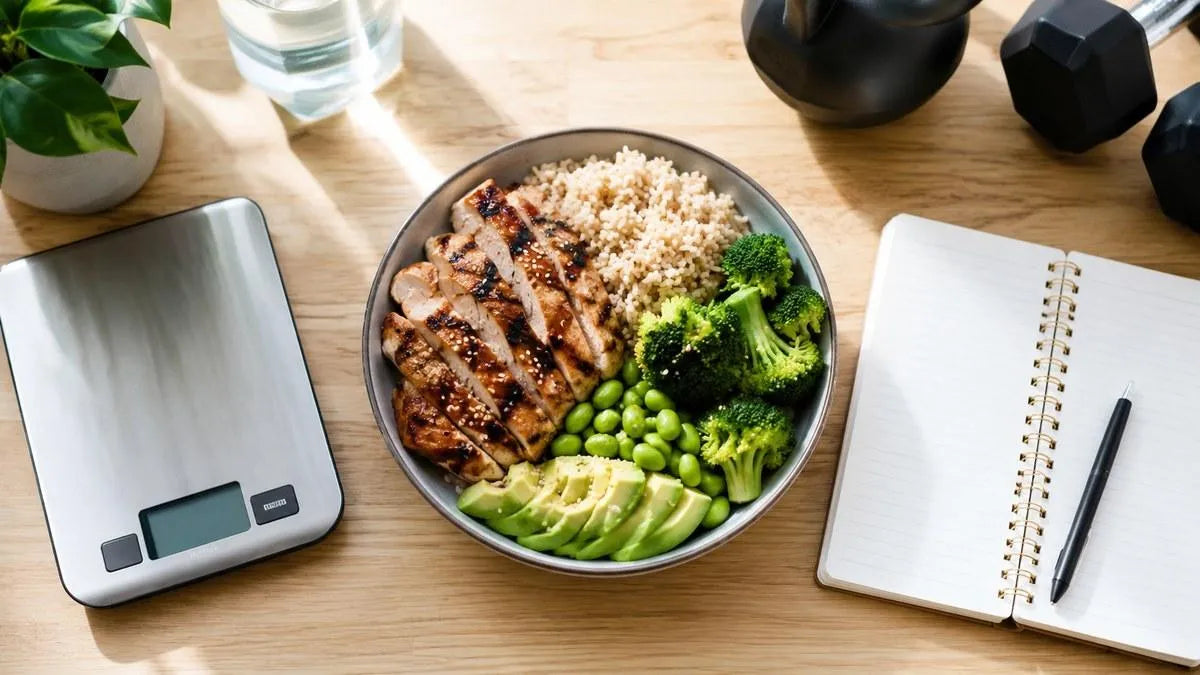
Eating healthy isn't always about cutting calories, following strict diets, or giving up the foods you love. Sometimes, the biggest difference comes from something much simpler: understanding how much you're eating.
We often focus on what goes onto our plates, but how much we serve ourselves matters too. Even nutritious foods can contribute more energy than our bodies need when portions consistently exceed our requirements.
The good news? You don't need to completely change your lifestyle to develop healthier eating habits. A little portion awareness can go a long way.
Why Portion Size Matters More Than You Think
Think about your everyday meals. A bowl of rice, a handful of nuts, a spoonful of peanut butter, or your morning cereal.
How often do you actually know how much you're eating?
Most of us estimate portions based on what looks right. But our eyes aren't always accurate, especially when we're hungry or distracted.
Understanding portion sizes can help you:
-
Build more balanced meals.
-
Become aware of your everyday eating habits.
-
Reduce unnecessary food waste.
-
Better understand your nutritional intake.
-
Make more intentional food choices.
It's not about eating less. It's about understanding what works for your body.
Portion Size vs. Serving Size: What's the Difference?
Although these terms are often used interchangeably, they mean different things.
Serving size is a standardized quantity of food, often listed on nutrition labels to help you understand nutritional information.
Portion size is the amount of food you actually choose to eat.
For example, a packet of cereal might list nutritional information for a 40-gram serving, but the bowl you pour could contain 70 grams.
Neither amount is automatically right or wrong. The difference simply shows why being aware of portions can be useful.
5 Simple Ways to Build Better Portion Habits
1. Start by Understanding Your Usual Portions
Before making changes, observe how much you typically eat.
You might be surprised by how different your estimated portions are from their actual quantities.
Measuring common ingredients occasionally can help you develop a better understanding of what different serving sizes look like.
2. Build a Balanced Plate
A balanced meal doesn't have to be complicated.
A simple approach is to fill approximately half your plate with vegetables, one-quarter with protein-rich foods, and one-quarter with whole grains or other carbohydrate-rich foods.
This is a general visual guide, not a fixed rule. Your nutritional needs may vary depending on your age, activity level, health, and personal goals.
3. Don't Forget About Snacks
Snacking isn't necessarily unhealthy. In fact, snacks can be a convenient way to include additional nutrients in your day.
However, foods such as nuts, seeds, dried fruits, and spreads can be easy to overestimate or underestimate.
Understanding their portions can help you enjoy them while staying aware of your overall intake.
4. Make Meal Preparation Easier
Planning meals ahead can make everyday healthy eating feel more manageable.
When preparing meals, measuring ingredients can help you maintain consistency across recipes, understand quantities, and reduce food waste.
This is particularly useful when cooking for multiple people or preparing meals for the week.
5. Use Simple Tools to Take the Guesswork Out
You don't need complicated equipment to build better eating habits.
A digital kitchen weighing scale can make ingredient measurement easier, whether you're preparing breakfast, following a recipe, or experimenting with balanced meals.
For example, the HealthSense Chef-Mate Digital Kitchen Scale can help you measure ingredients by weight rather than relying entirely on visual estimates.
It's a simple addition to your kitchen that can make everyday food preparation more consistent and convenient.
Does Healthy Eating Mean Measuring Everything?
Absolutely not.
The goal of portion awareness isn't to turn every meal into a calculation.
Measuring ingredients can be a helpful learning tool, but it doesn't need to become a permanent rule.
Over time, you may become more comfortable estimating portions and recognizing what feels satisfying for you.
Remember, healthy eating is also about variety, enjoyment, flexibility, and listening to your body's hunger and fullness cues.
Small Habits Make a Big Difference
Building healthier eating habits doesn't require a perfect meal plan or a completely new routine.
Sometimes, it begins with paying a little more attention to what's already on your plate.
Whether you're cooking at home, preparing meals for work, or simply trying to make more informed food choices, understanding portions is a practical place to start.
Because healthier living isn't about making everything complicated.
It's about making everyday choices a little simpler.
HealthSense — Healthier Living. Made Simple.
Frequently Asked Questions
What is portion control?
Portion control means being aware of how much food you serve and consume. It can help you understand your eating patterns and build balanced meals without necessarily restricting foods.
Is weighing food necessary for healthy eating?
No. Weighing food is optional. It can help you understand ingredient quantities, follow recipes, and become familiar with serving sizes, but balanced eating is possible without it.
Can a kitchen weighing scale help with meal preparation?
Yes. A digital kitchen scale can help measure ingredients consistently, improve recipe accuracy, and make meal preparation more convenient.
Is portion size the same for everyone?
No. Appropriate portions depend on factors such as age, activity level, nutritional requirements, and individual health needs.


